3D Printing Robotics: Electrical System Design
Electrical panels, harnessing, PCBs, and power systems for an integrated 3D printing robotics platform that prints houses on-site.
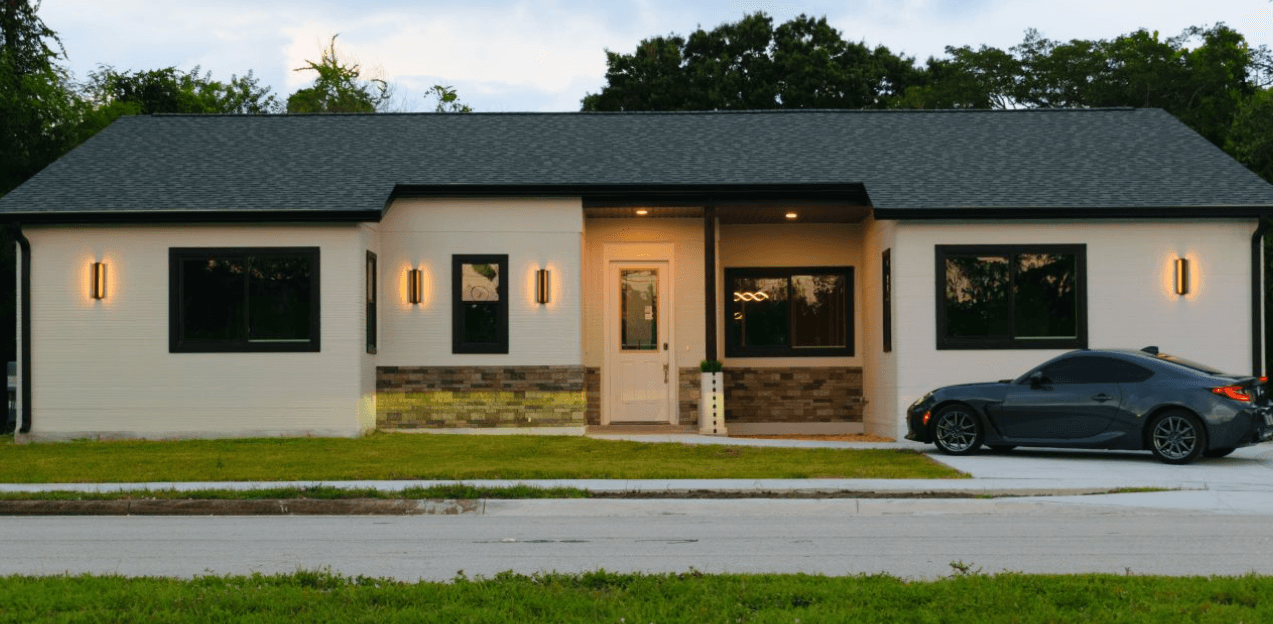
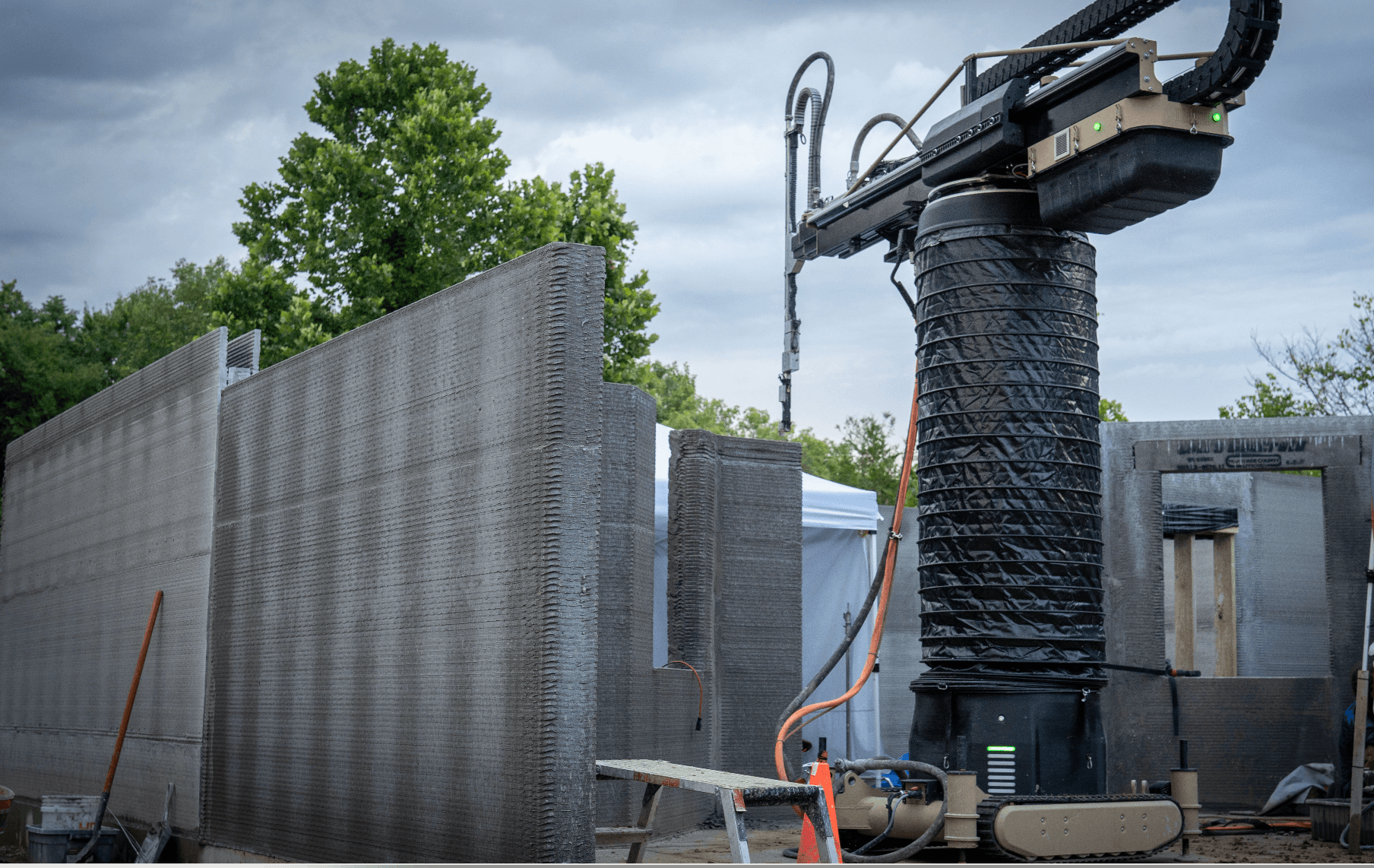
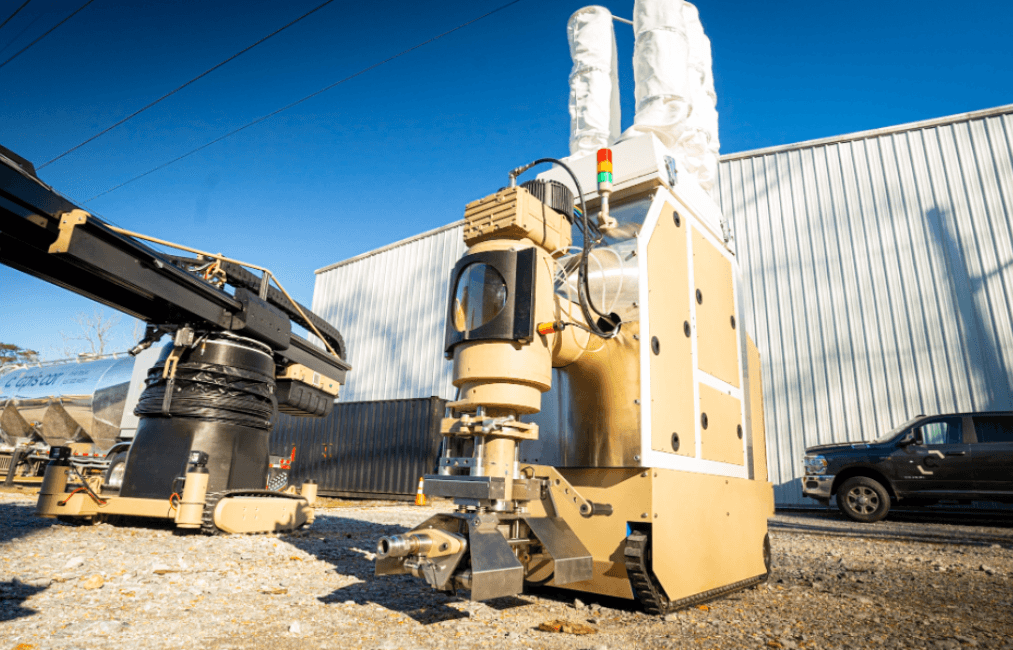
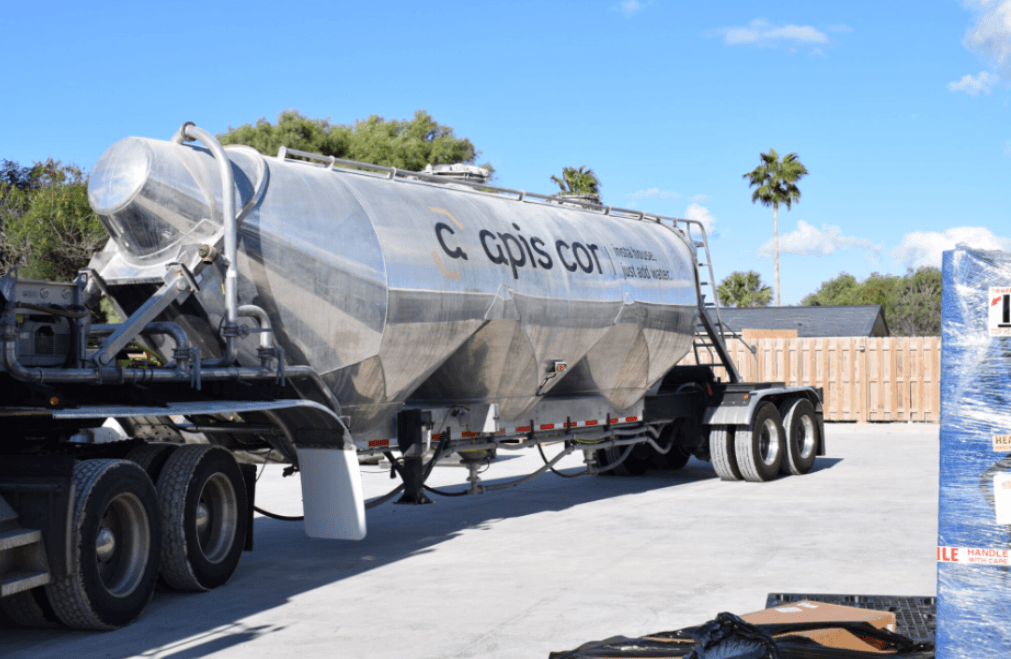
Apis Cor is a Florida-based 3D printing robotics company that builds machines for printing houses on-site. We helped build and operate the first system: Frank the printer, Gary the mixer, and Mary the material-delivery rig. The system printed three houses in 2024, including the first on-site print in Florida (covered by Fox 35) and two for Habitat for Humanity (one covered by Florida Today). After those builds, we redesigned the electrical end-to-end for the production generation: panels, harnessing, custom PCBs, and the power and control systems that tie the three machines together.
What we built
- Four electrical panels for the integrated print, mix, and material-delivery system
- Full harnessing redesign across all three machines
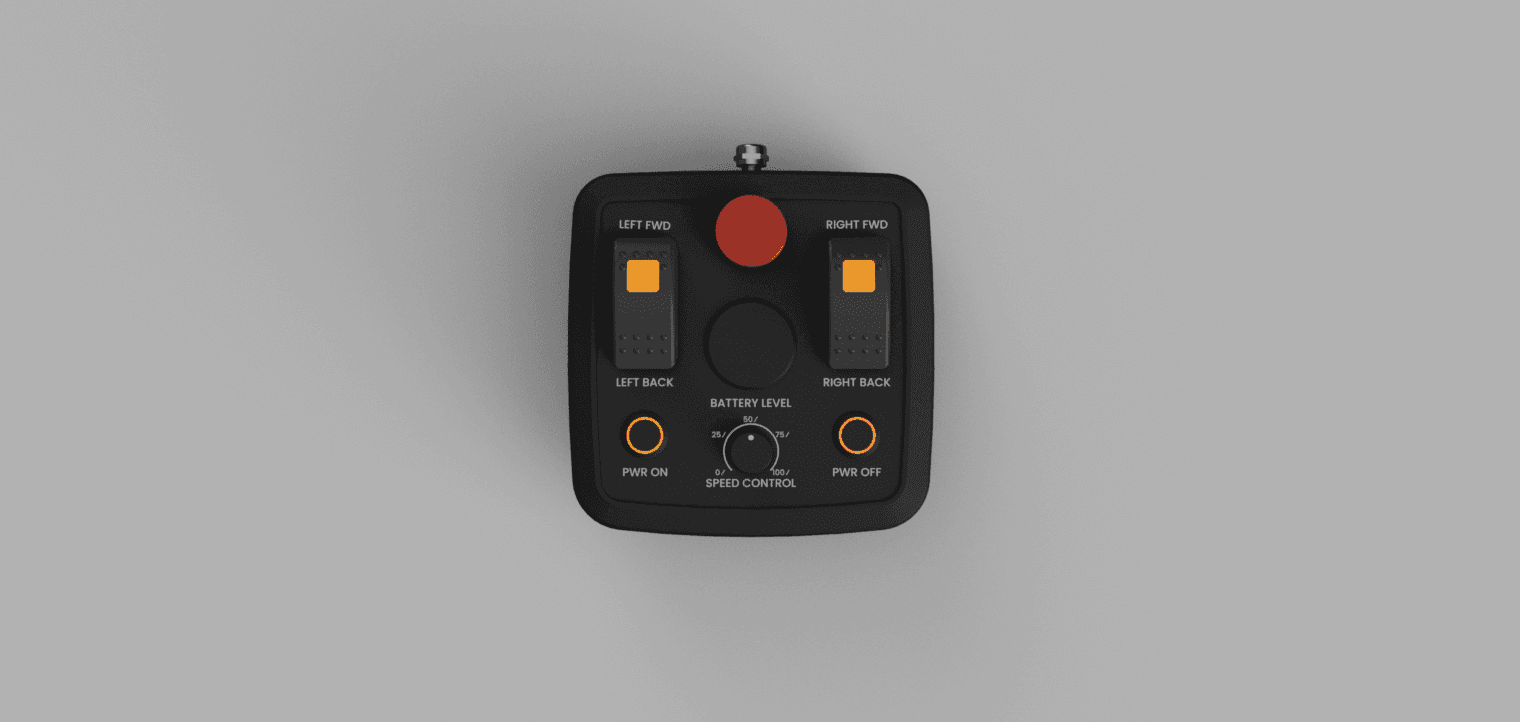
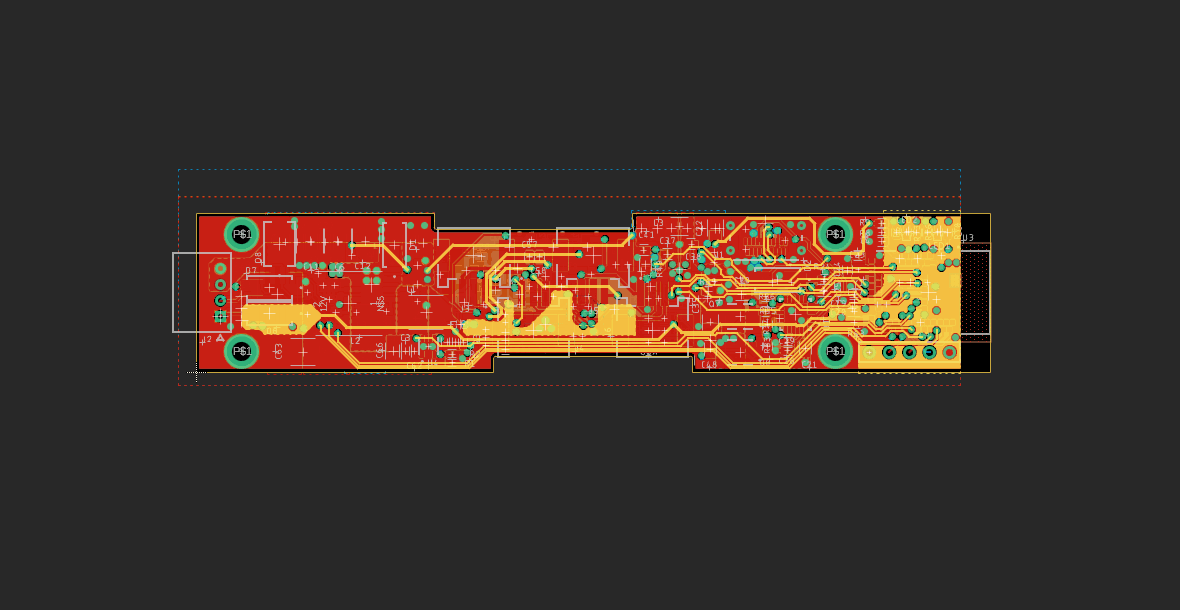
- Three custom PCBs: a handheld controller, plus a BLE transmitter/receiver pair packaged with a linear actuator and battery for smoothing walls from a rotating print nozzle
- Motor tuning across 15 motors on the platform
- Power system that runs on generator or shore power, with a 96 VDC battery bank
- UL compliance work alongside the electrical redesign
- Co-designed with Apis Cor's internal mechanical engineering team
Wiring diagrams in SolidWorks Electrical, mechanical CAD and PCB layouts in Fusion 360. Our internal Fusion 360 PCB scripts handled the repetitive parts of the layout workflow.
Hard parts
Three constraints shaped most of the decisions.
The first was the environment. The system lives outdoors on construction sites in Florida. Heat, humidity, dust, sudden rain. Every enclosure had to seal against water while still venting enough heat to keep the electronics inside their thermal envelope. The two goals fight each other constantly: more sealing means worse cooling. We worked through it enclosure by enclosure, pairing IP-rated breather vents and filtered intakes with airflow paths that kept dust out of the hot side.
The second was UL compliance, which shaped a lot of the system architecture. Component selection, creepage and clearance distances, fault paths, labeling: all decided up front rather than retrofitted later. The 96 VDC battery system in particular had specific isolation and disconnect requirements that drove the panel layout.
The third was the unit-cost target. Custom PCBs were specced toward parts we could reorder at quantity. Connector choices got pushed toward the cheapest reliable option that still met the IP rating. Cable lengths and gauges were calculated rather than overspec'd. The goal was a production system that hit a cost number the rest of the business plan could live with.
By the numbers
- Motors
- 15
- Custom PCBs
- 3
- Electrical panels
- 4
- Power
- Generator or shore, 96 VDC battery
- V1 output
- 3 houses printed (2 for Habitat for Humanity)
- Status
- 10-unit fleet in production
What's next
Ten production units are now being built. HPE Automation is fabricating the panels; the rest of the system assembles around them per the integrated design.